Blog
S·he - On Opening
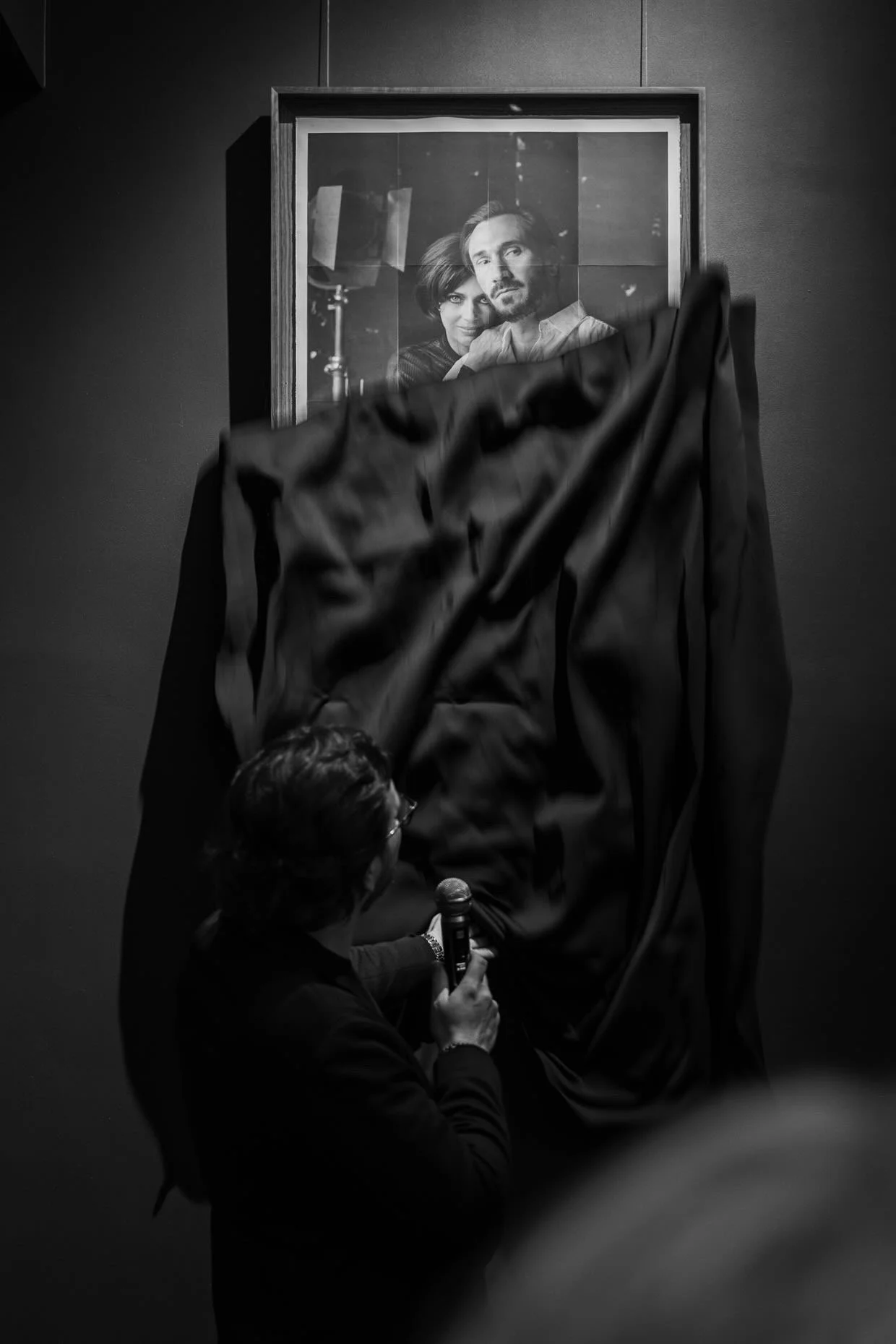
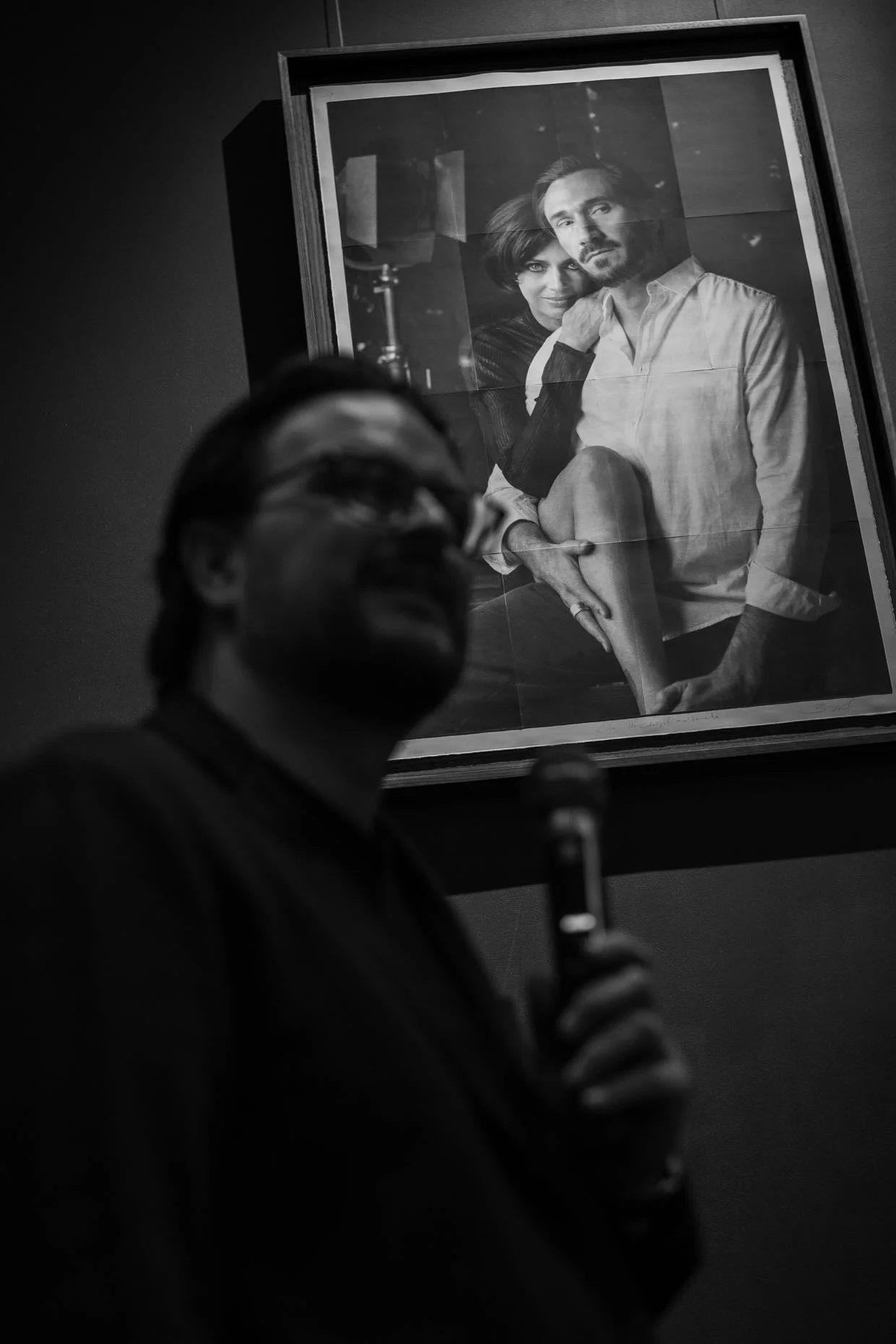
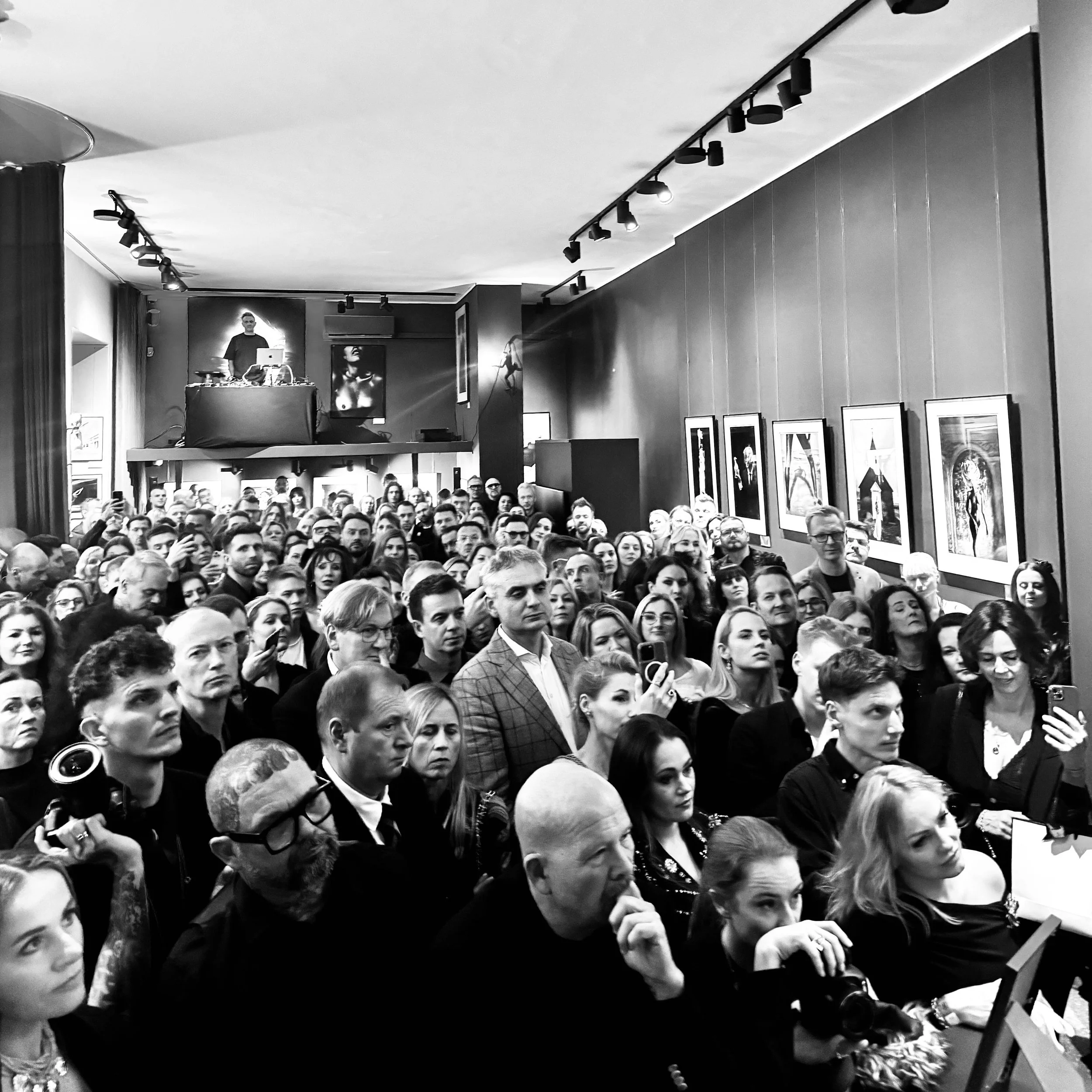
S·he was shown publicly for the first time in November 2025 at Brodziak Gallery.
Until then, the work had existed only in the studio. This was the first time the three figures were presented together and seen at their intended scale.
The gallery later wrote in its newsletter:
“What we saw went beyond the boundaries of photography. The three chapters of the S·he project were exceptionally mature, moving, and magical. One of the project’s protagonists was Heather Stewart-Whyte, an icon of the world’s runways and muse to the greatest fashion houses, who honoured us with her presence at the opening. Her emotion spoke louder than words.”
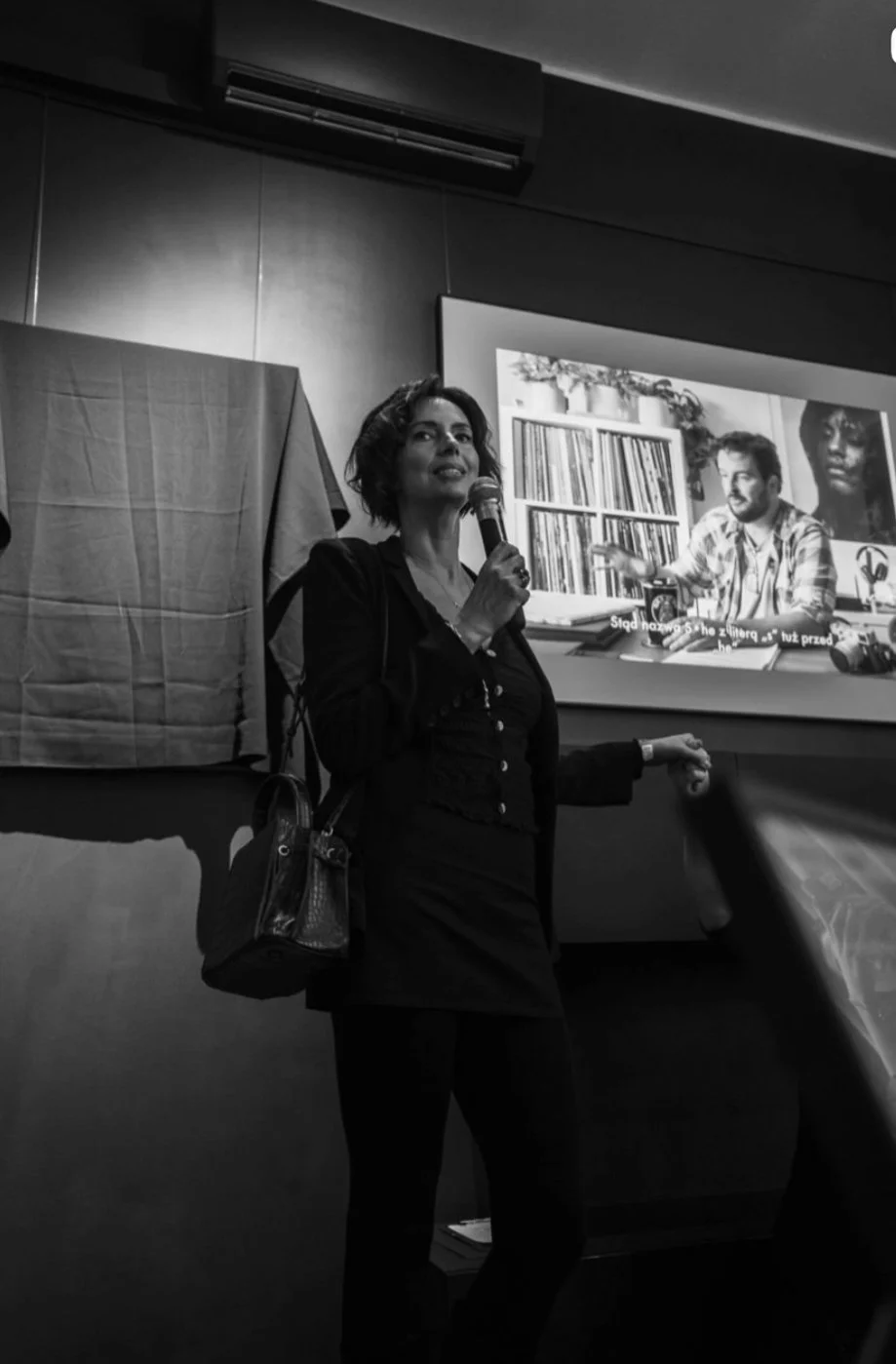
Heather Stewart-Whyte attended the opening as one of the figures within the project.
Some of the responses recorded that evening were brief:
“A completely different level of experience.”
“Another universe. The process is its own artwork.”
“Highest possible level.”
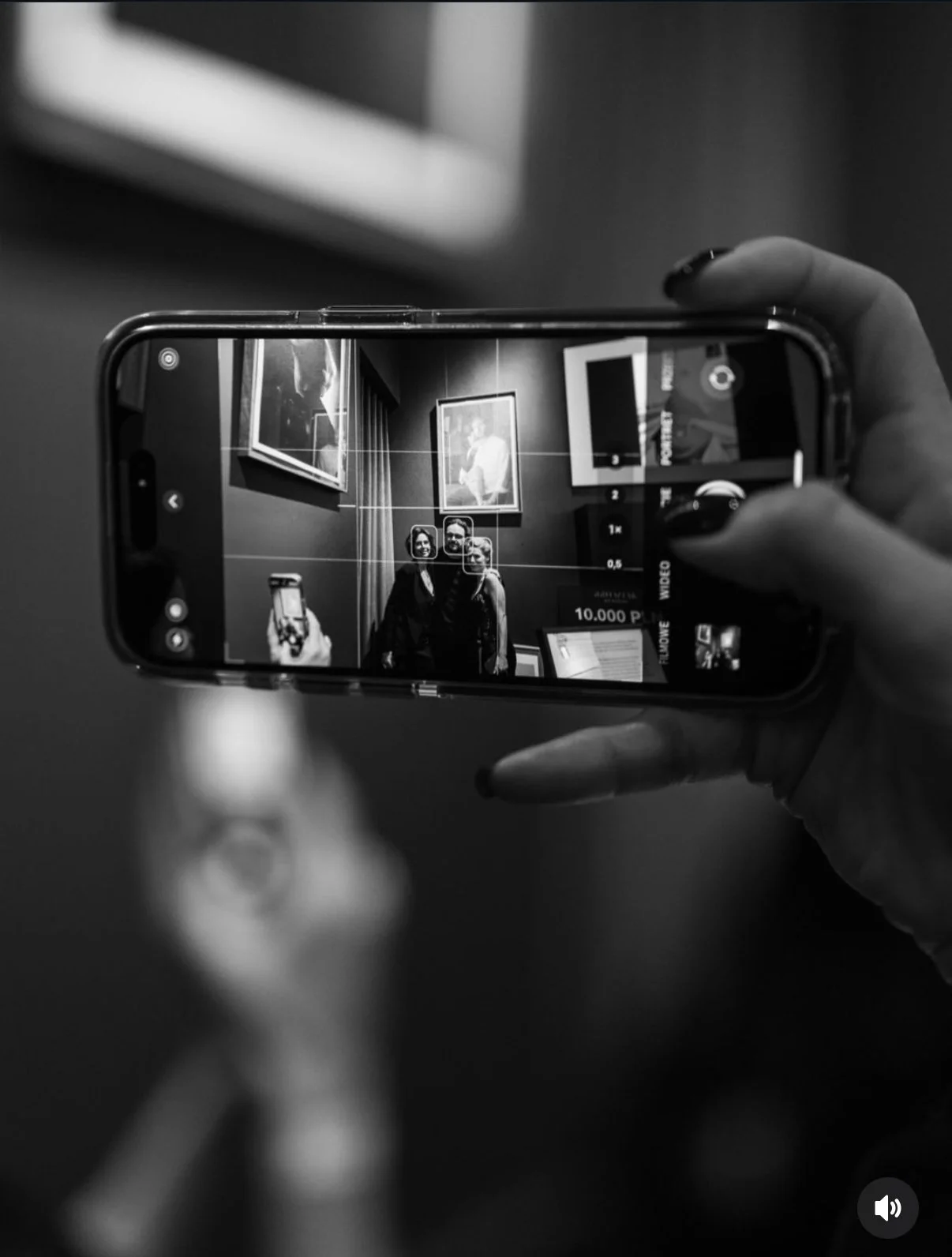
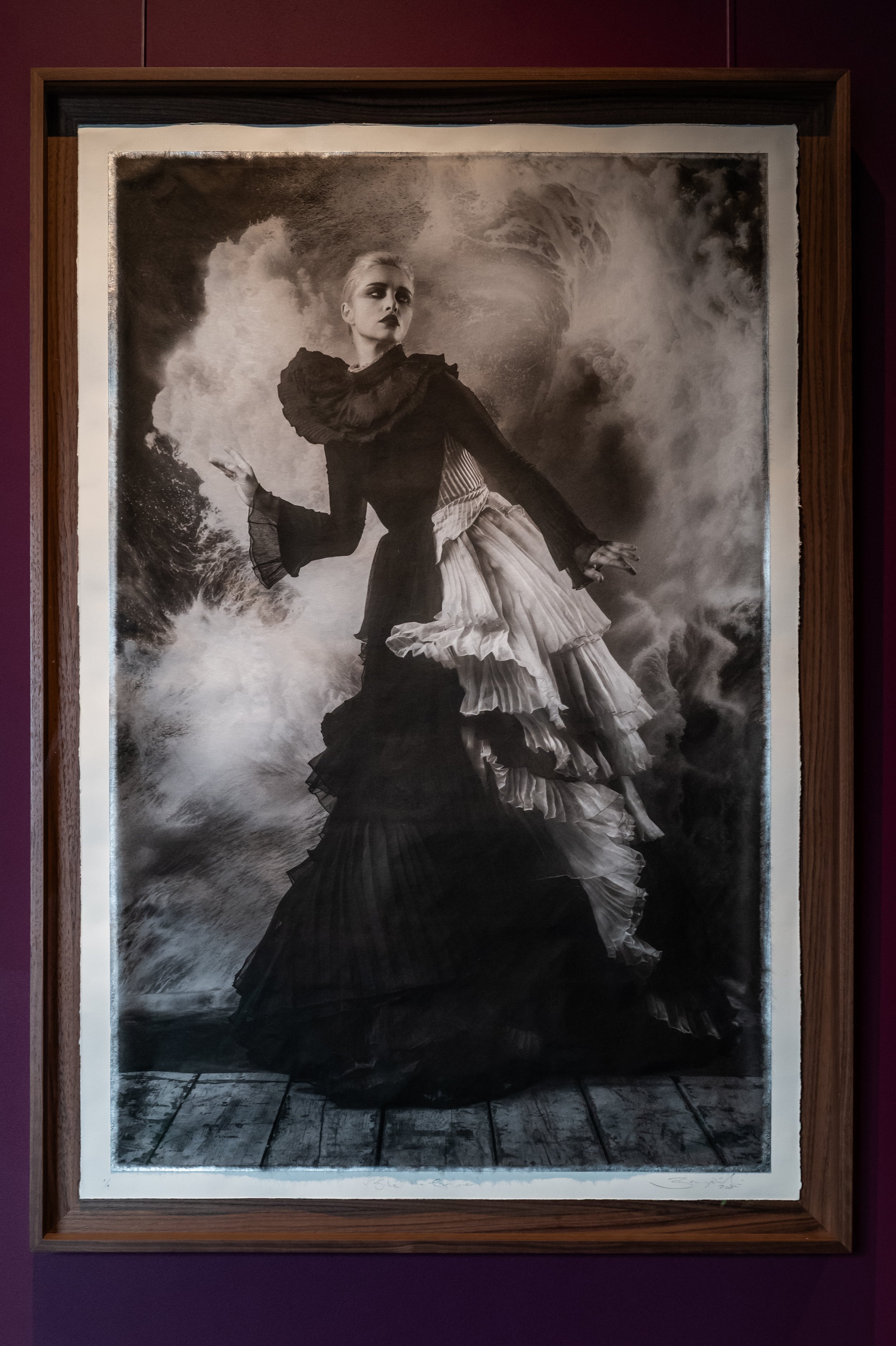
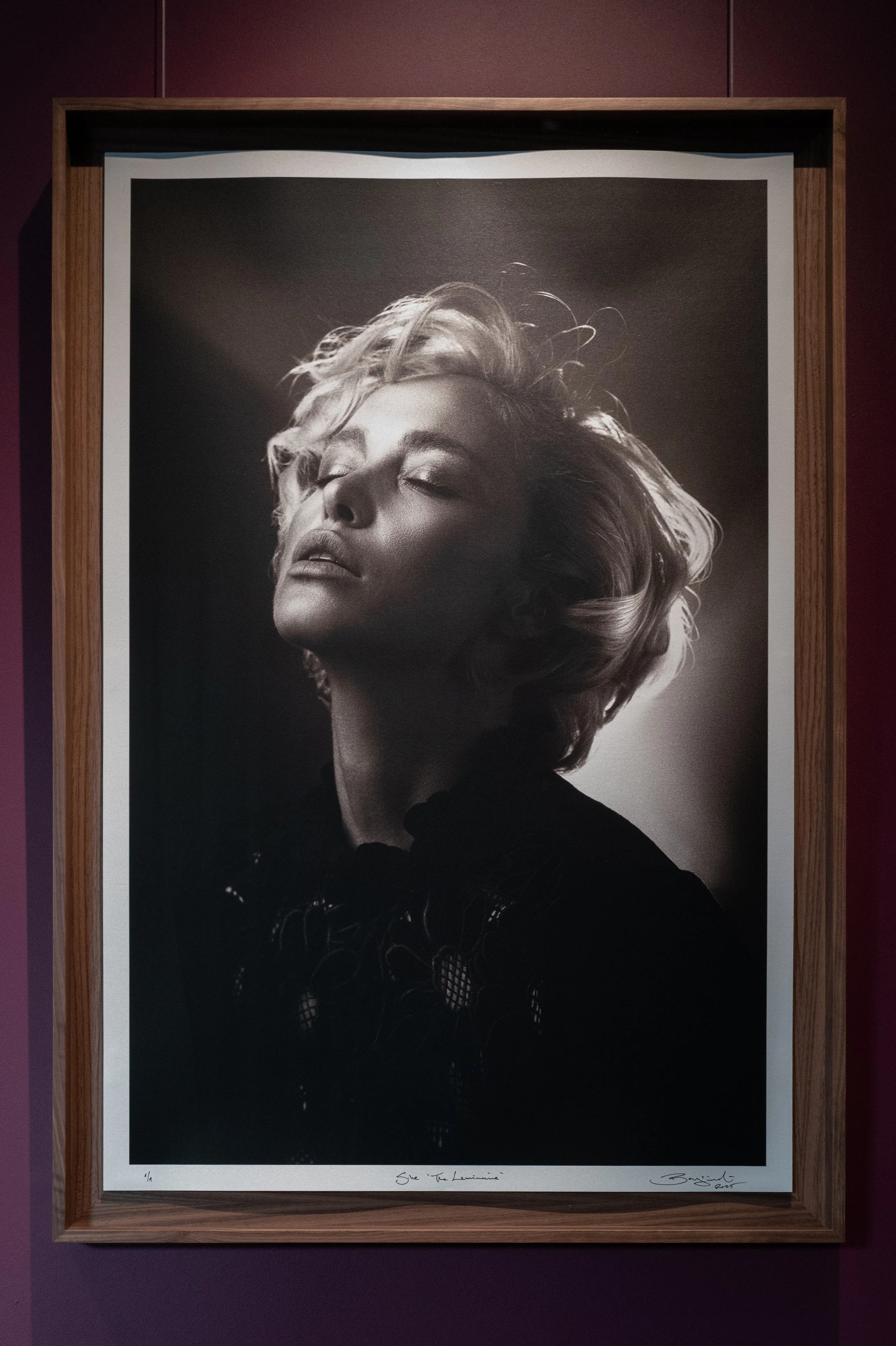
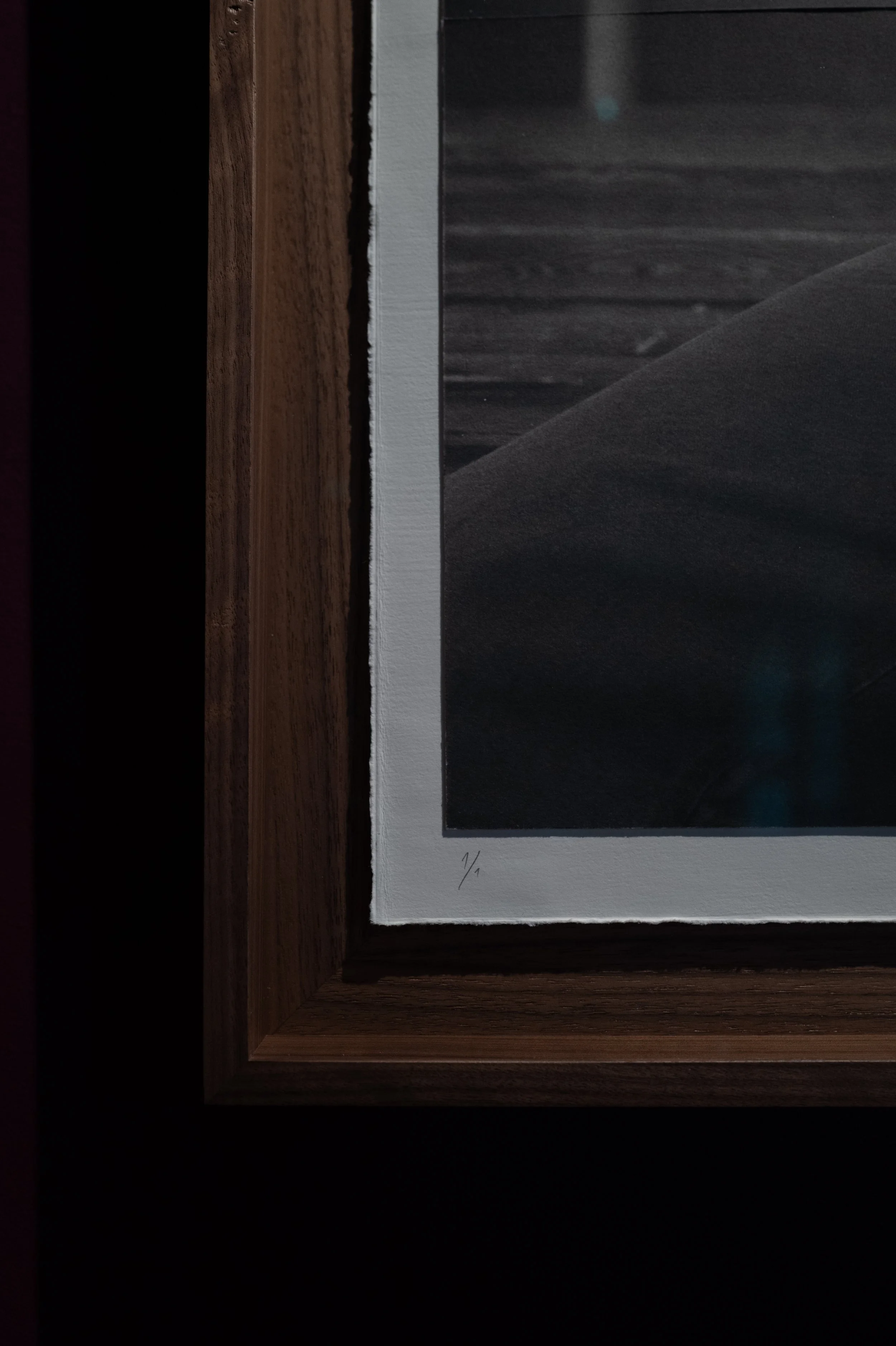
What follows below is a short visual record from the opening. It shows the work as it was installed and encountered that night.
For the project, this marked the point at which it moved from studio work into public circulation.
S·he - On the Making
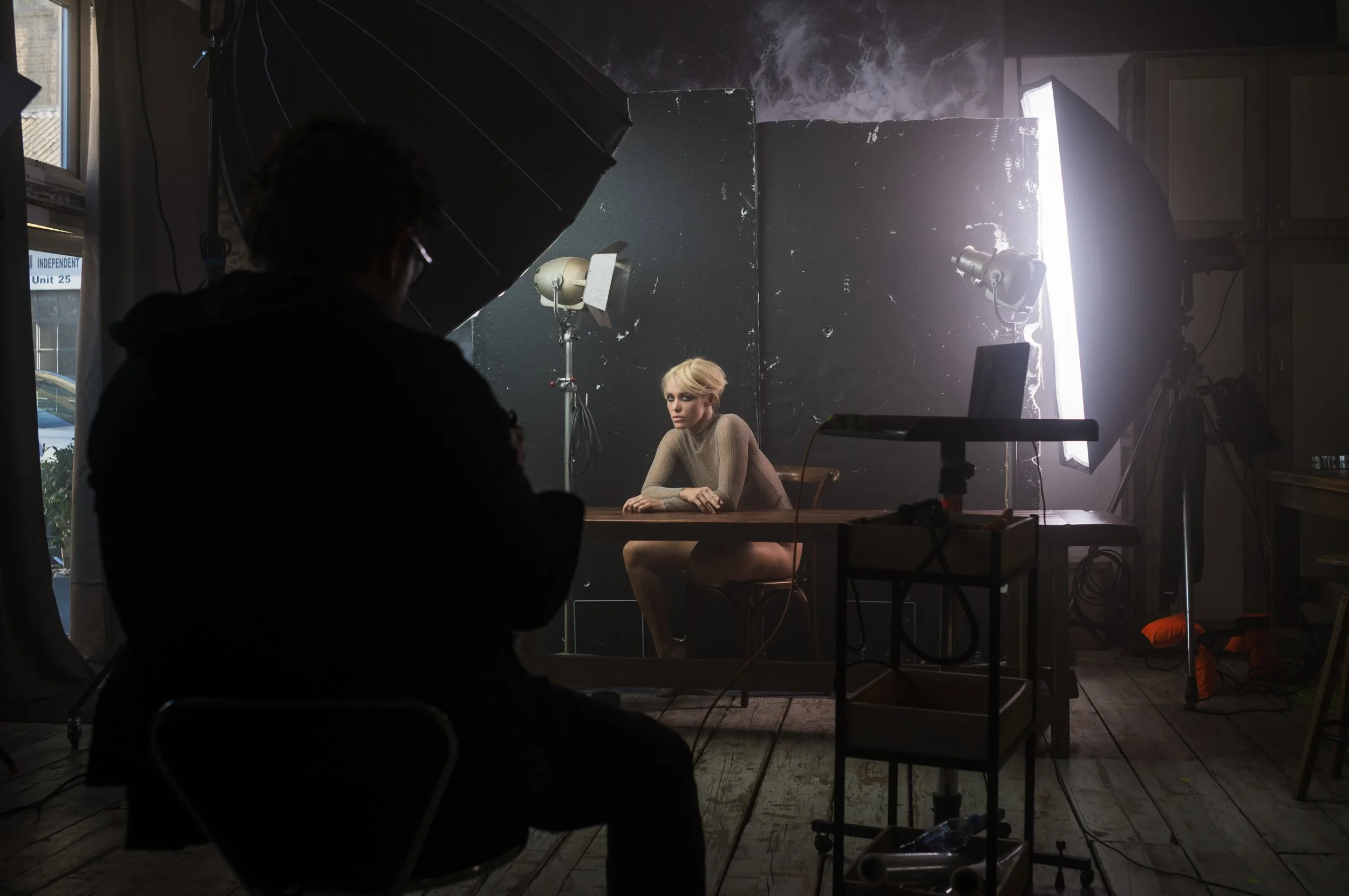
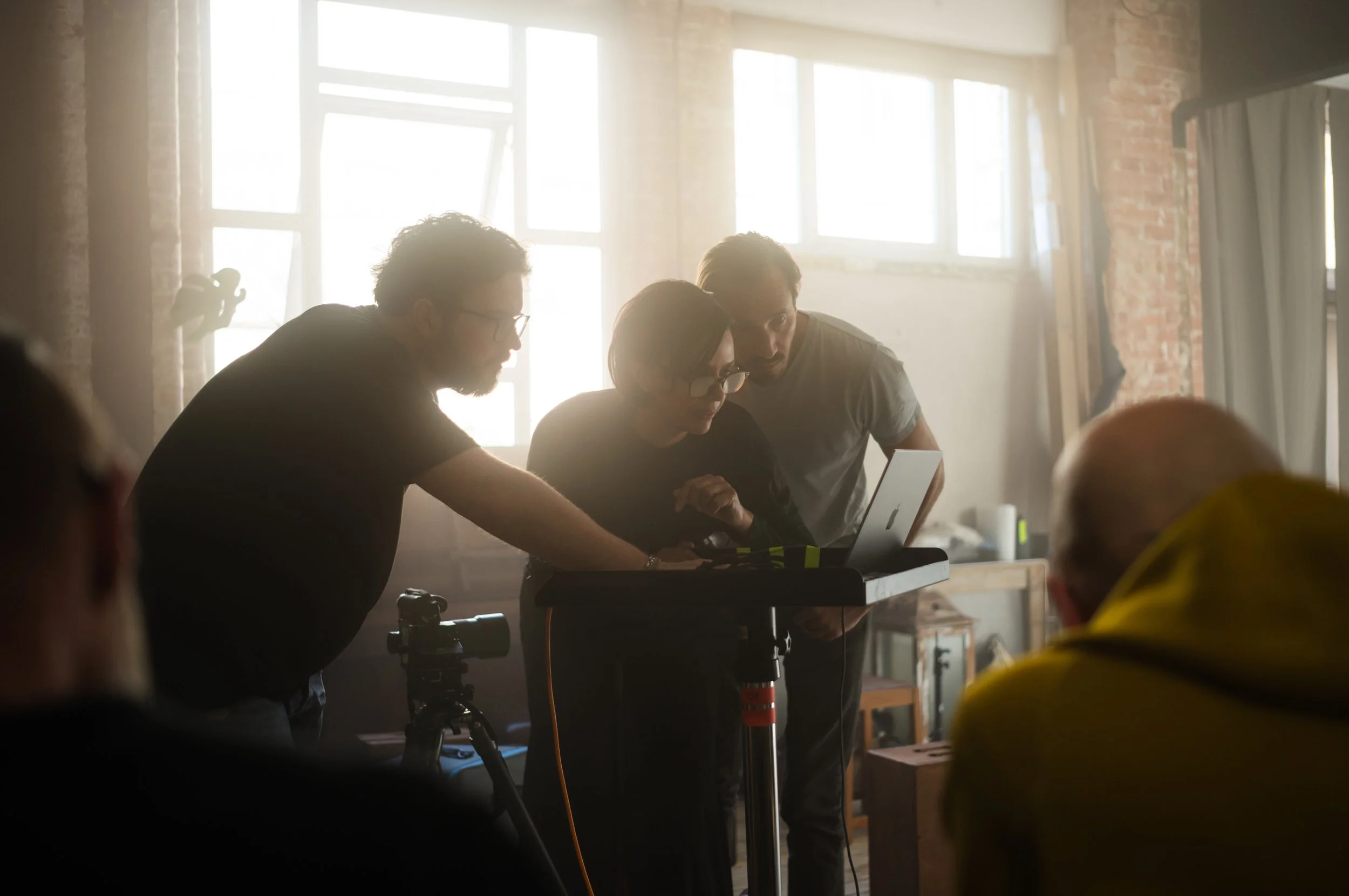
Nothing in S·he was improvised. Every element was drawn, measured, built, or rehearsed before it was photographed. This was not about perfection. It was about constructing presence with the same seriousness we give to architecture, music, or literature.
The garments were designed in conversation with the characters. They were cut to match gesture and narrative, not fashion or historical reference. Backdrop was hand-painted and scaled to suit posture and emotional tone. Lighting was adjusted to behave like memory, sharpening certain edges while allowing others to fade.
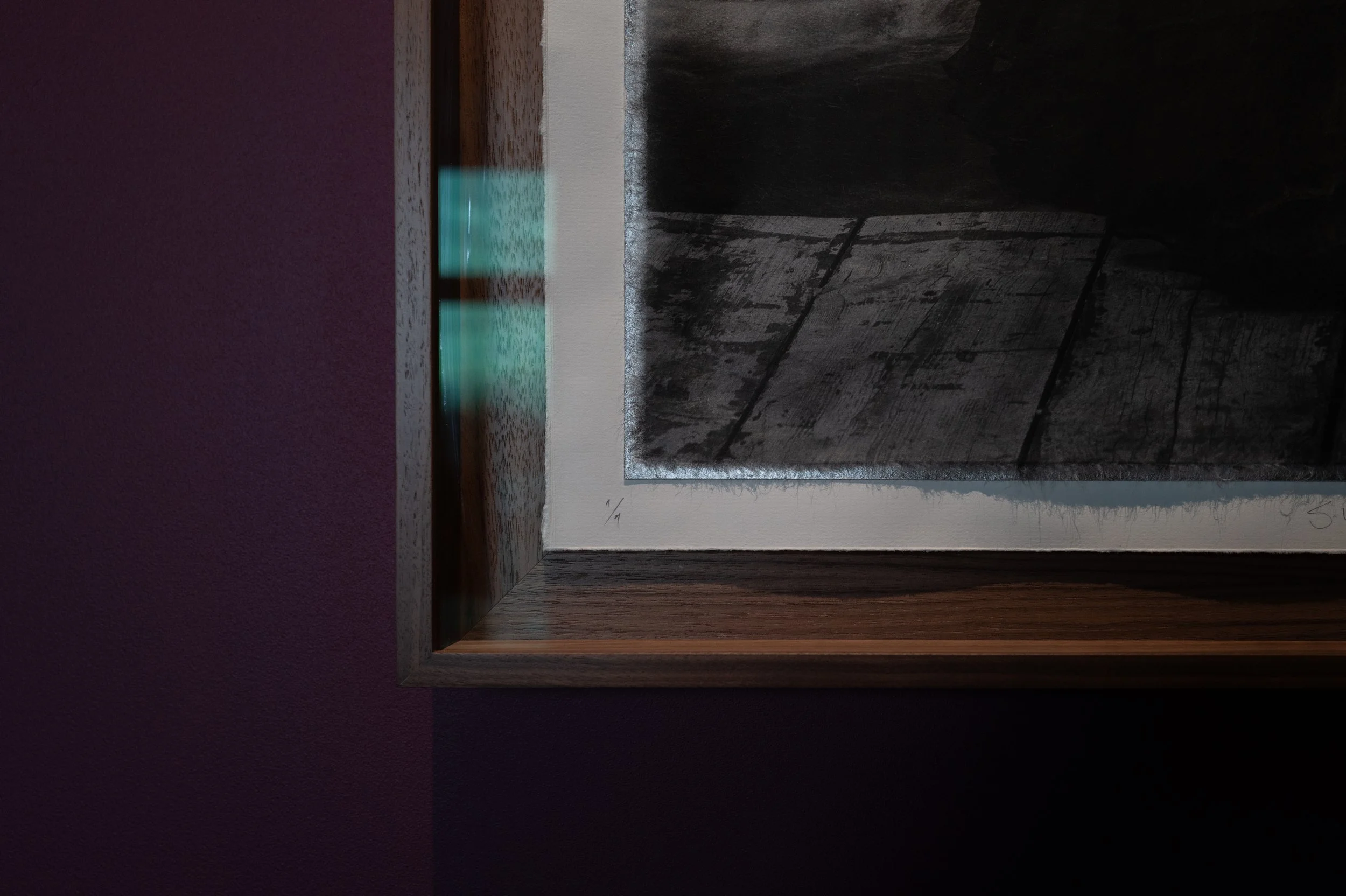
Material choice was never decorative. Platinum, palladium, lapis, copper, Japanese and Italian papers were selected for both their symbolic weight and their physical behavior. Some of these materials live on the surface. Others exist only on the reverse of the print, reinforcing the idea that what is unseen can still define everything we perceive.
The portrait of The Catalyst required a separate approach. It was printed in sixteen individual fragments, each developed by hand using platinum and palladium, and each exposed under specific conditions. Temperature, humidity, and chemistry were controlled so that every segment would develop its own tonal identity while still contributing to a unified surface.
Making S·he involved building every component of the image by hand. Set, story, material, light. Nothing was borrowed. Nothing outsourced its meaning. The work was built to carry the weight of authorship. It is constructed to last.
On Reduction
I approach photography much like design. Through precision, patience, and the belief that meaning is built, not found. Each project begins as structure. Drawings. Materials. Calculations. Then, at some point, something slips through the technical frame. That unplanned moment is what I keep.
My fine art practice exists somewhere between control and surrender.
Black and white is not an aesthetic choice for me. It is a method of removal. Without colour, a face becomes architecture. A gesture becomes structure. What remains has no place to hide.
Behind the camera, the process is as physical as it is contemplative. Sets are built by hand. Prints are made through historical methods. Platinum. Palladium. Japanese paper. The image only completes itself on paper.
I do not believe art depends on the medium.
Whatever the material, the question is always the same: does it remain alive when you look at it?

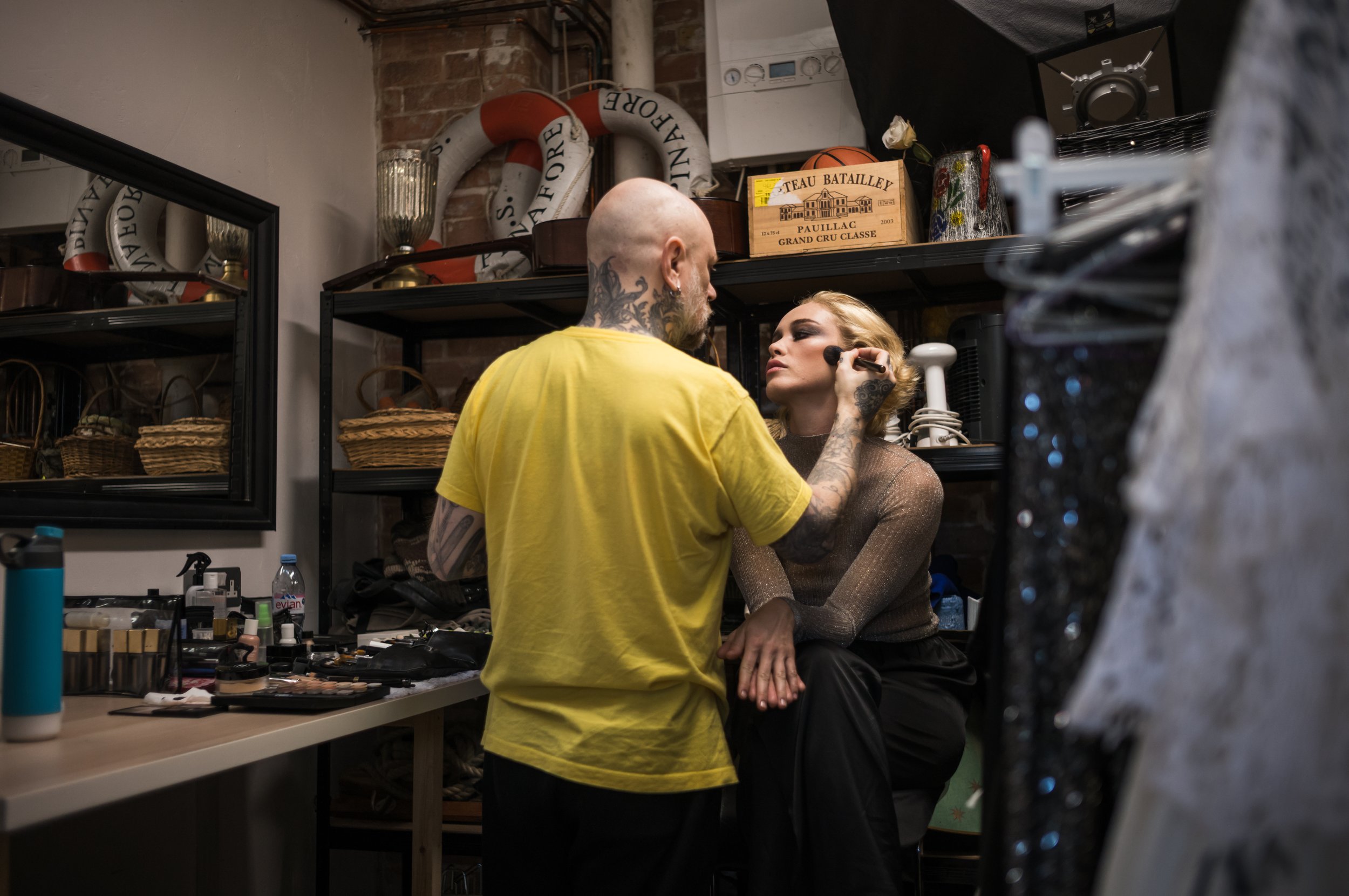
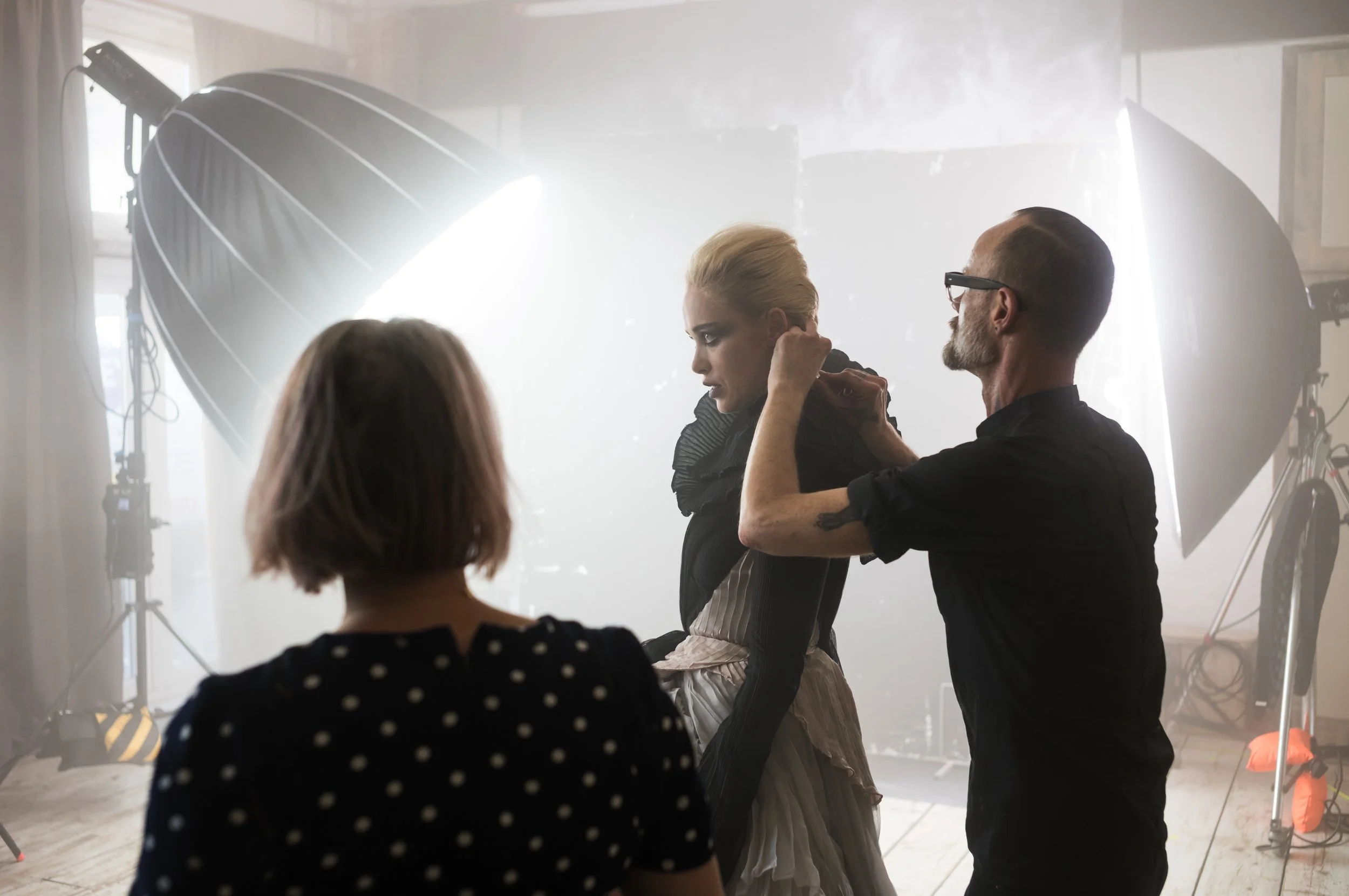
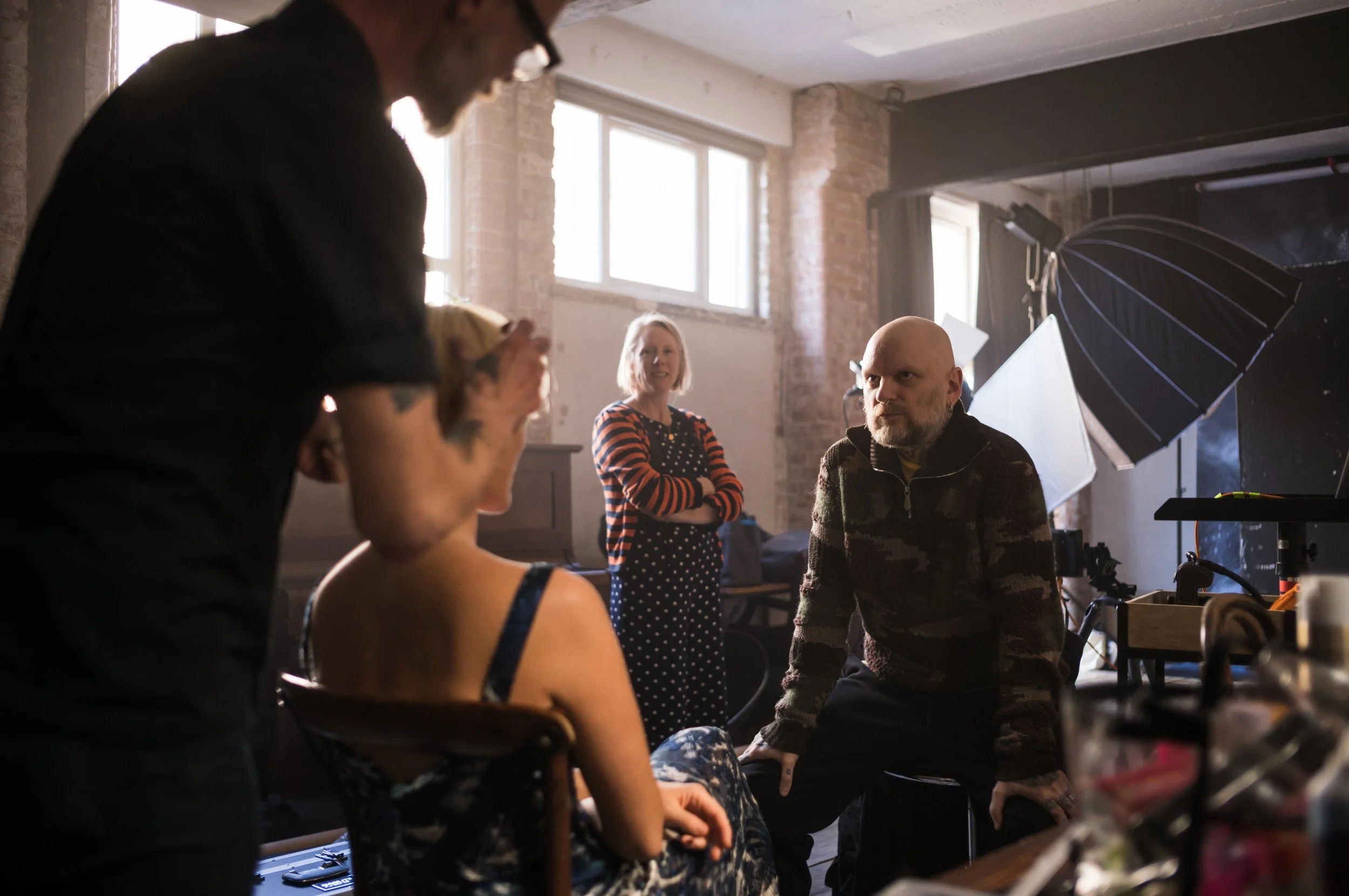
Backstage of project S•he
